

When conversations around waste management often focus on cities, the EcoGram Project demonstrates how rural and peri-urban communities can also be at the forefront of responsible waste management. Launched by The Anonymous Indian Charitable Trust (TAICT) as a holistic rural development initiative, EcoGram works across villages in North Bengaluru to improve environmental sustainability, natural resource management, and community well-being. Responsible waste management is a key pillar of this vision, and Hasiru Dala Innovations (HDI) has been proud to be part of this journey since 2017.
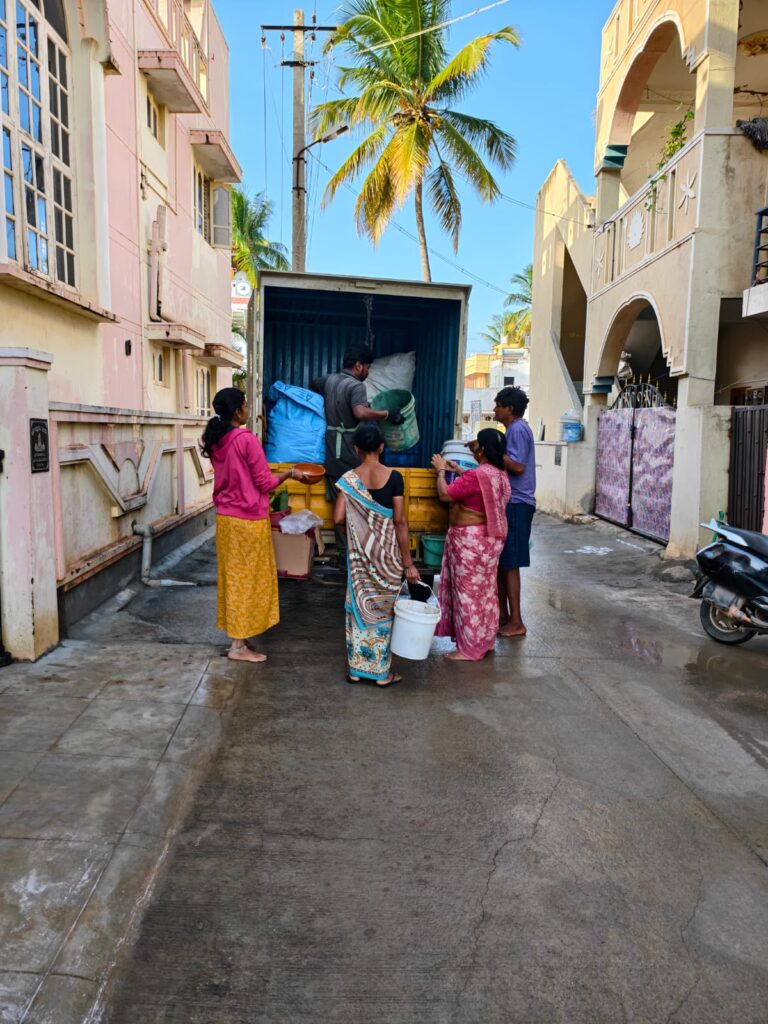
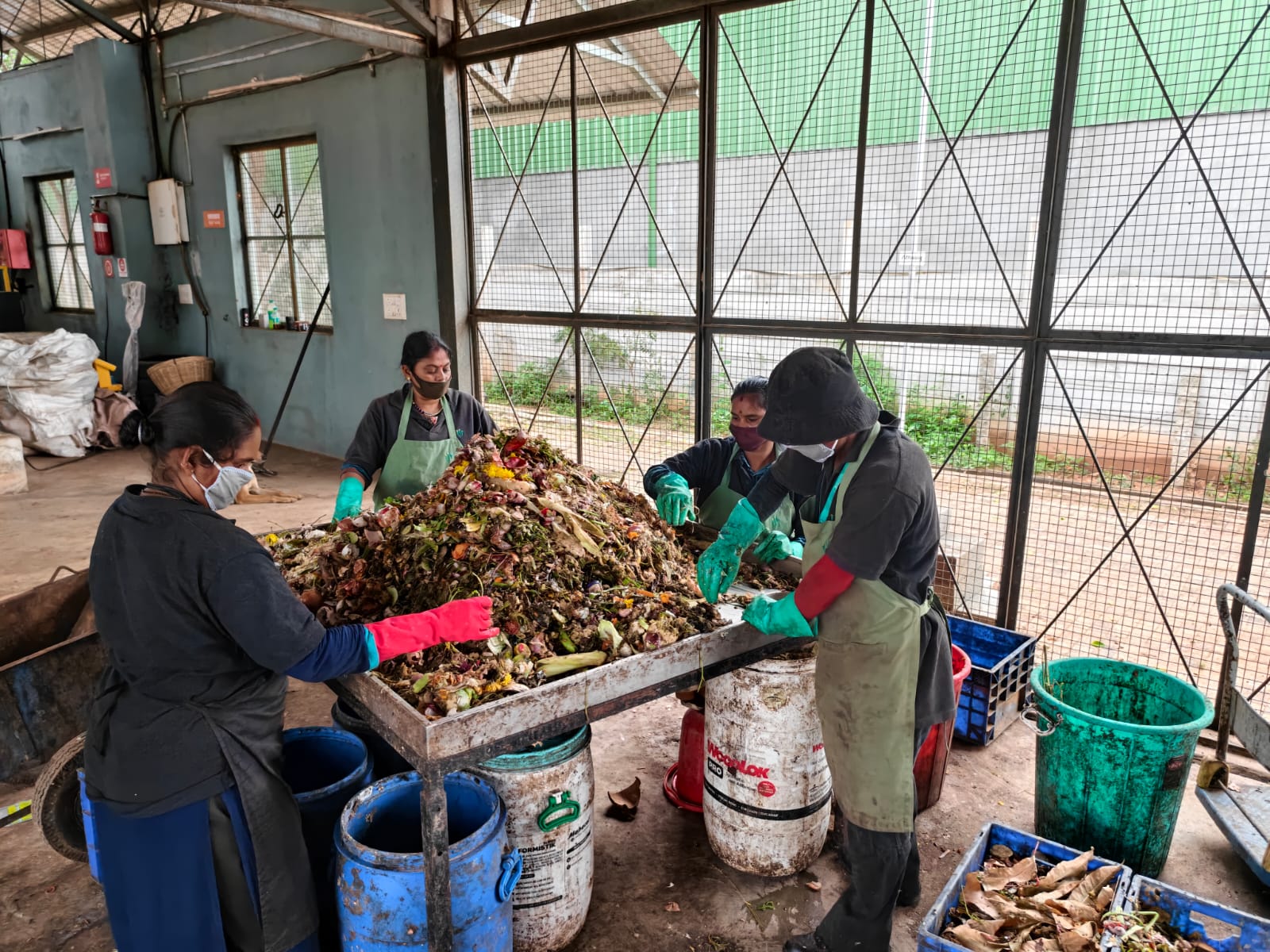
Through this long-standing partnership, Hasiru Dala Innovations supports waste management operations across 10 villages in Bettahalasuru Gram Panchayat, covering 4,662 households through alternate-day door-to-door collection of wet waste, dry waste, and sanitary waste. The initiative also services 32 Bulk Waste Generators (BWGs) in the region. Together, the operations manage nearly 5 tonnes of waste every day, supported by a dedicated team of 29 Green Collar® professionals, including drivers, supervisors, collection staff, and sorters who ensure that waste is handled responsibly across the value chain.
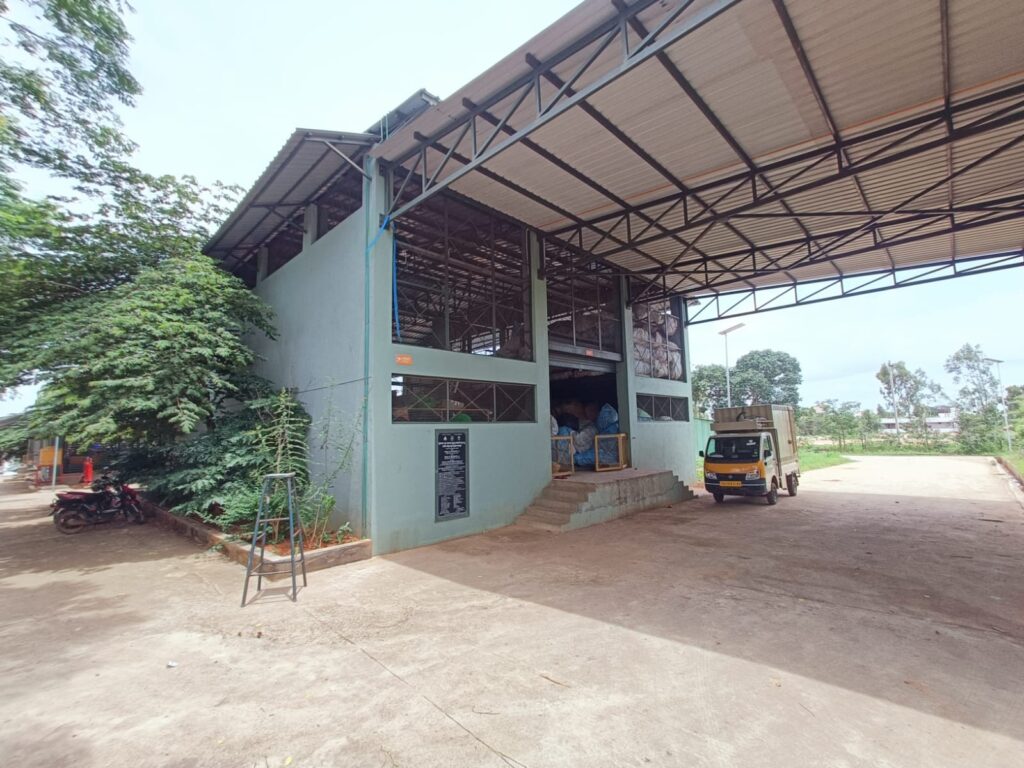
What makes EcoGram especially impactful is its focus on community participation and behaviour change. Every third Saturday, as part of the Karnataka Panchayat Raj “Swachha Shanivara” initiative, community clean-up drives are conducted to bring residents together and encourage collective ownership of their shared spaces. Households that continue to hand over mixed waste receive targeted awareness and training on source segregation, helping build long-term habits that strengthen the entire waste management ecosystem.
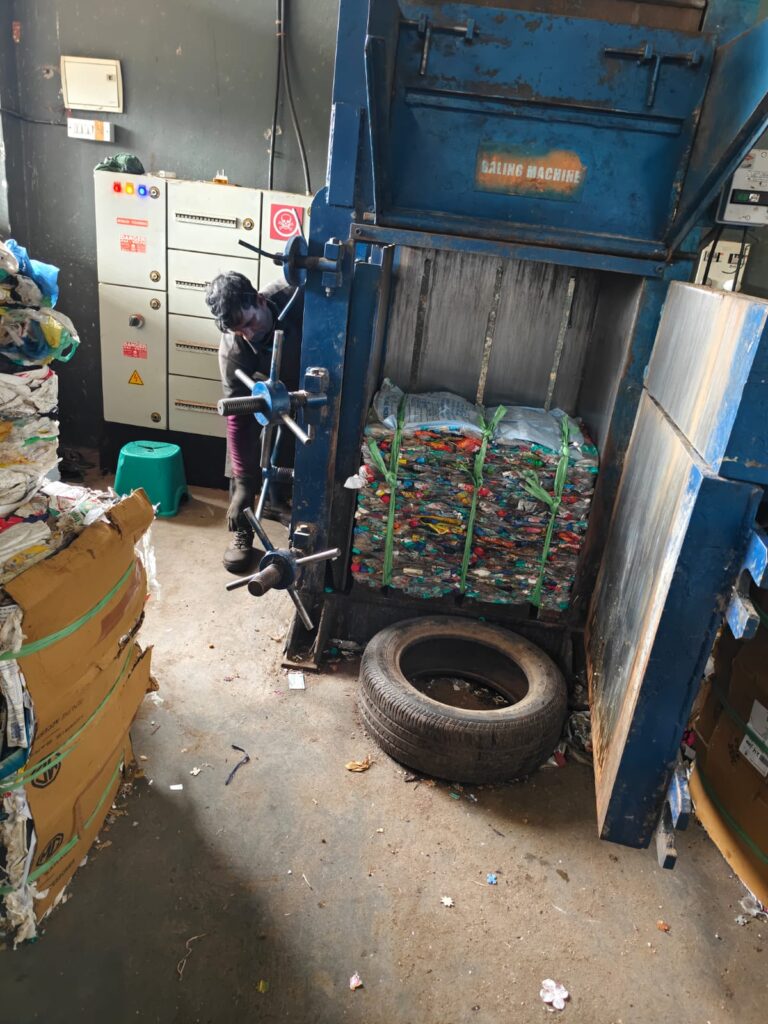
The initiative is further supported by local governance and enforcement mechanisms. Bettahalasuru Gram Panchayat has implemented fines for Solid Waste Management (SWM) violations in accordance with the Karnataka Panchayat Raj Solid Waste Management Byelaws, 2020. These include penalties for littering, failure to segregate or hand over waste as required, unauthorised burning or dumping of solid waste, and other violations. For instance, non-compliance with segregation requirements can attract escalating fines for repeat violations, while unauthorised dumping of more than 100 kg of waste can attract a fine linked to the quantity of waste dumped. Such measures complement awareness and community engagement by reinforcing accountability for responsible waste management.
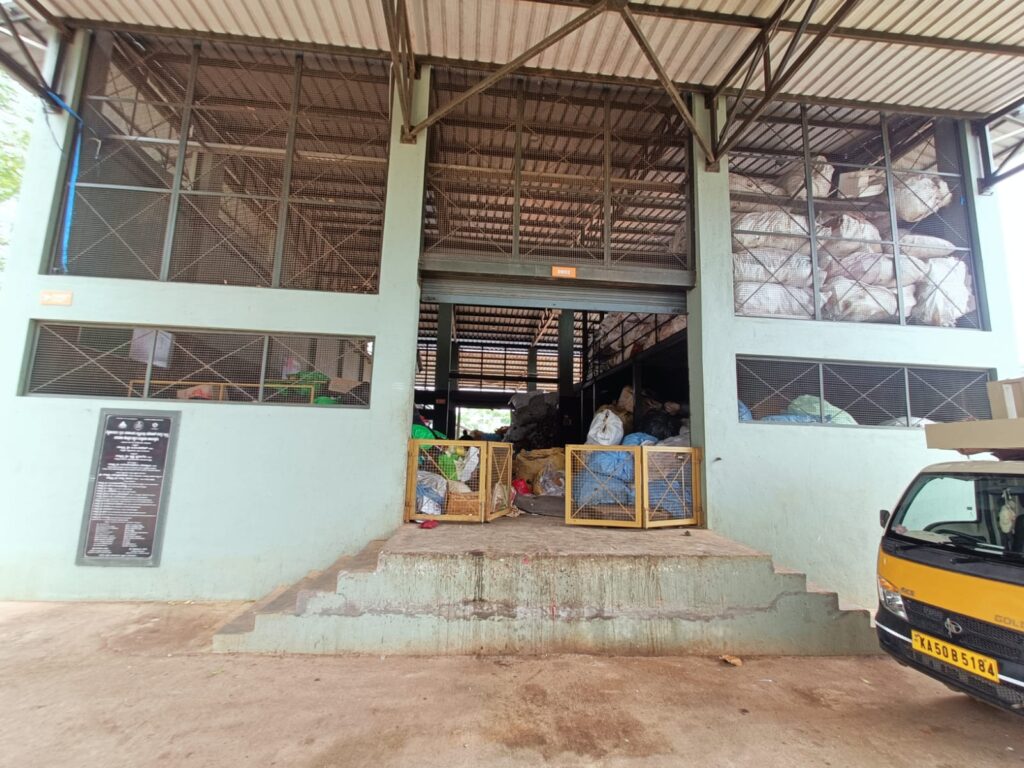
At its heart, EcoGram is not just a waste collection programme. It is a living example of Inclusive Circularity® in action, where communities, government institutions, including Panchayat officials and elected representatives, corporate sponsors, and implementation partners work together to create cleaner villages, improve resource recovery, and build systems that are environmentally sustainable and socially inclusive.
Nearly a decade into this partnership, EcoGram stands as a testament to what is possible when communities, institutions, and implementation partners come together with a shared purpose. Beyond waste management, it is helping create a culture of responsibility, dignity, and environmental stewardship, bringing the vision of Inclusive Circularity® to life in villages where every individual has a role in shaping a more responsible future.